Senses that reorganize
When sight is missing, the brain doesn't switch off: it repurposes the visual cortex for touch and hearing.
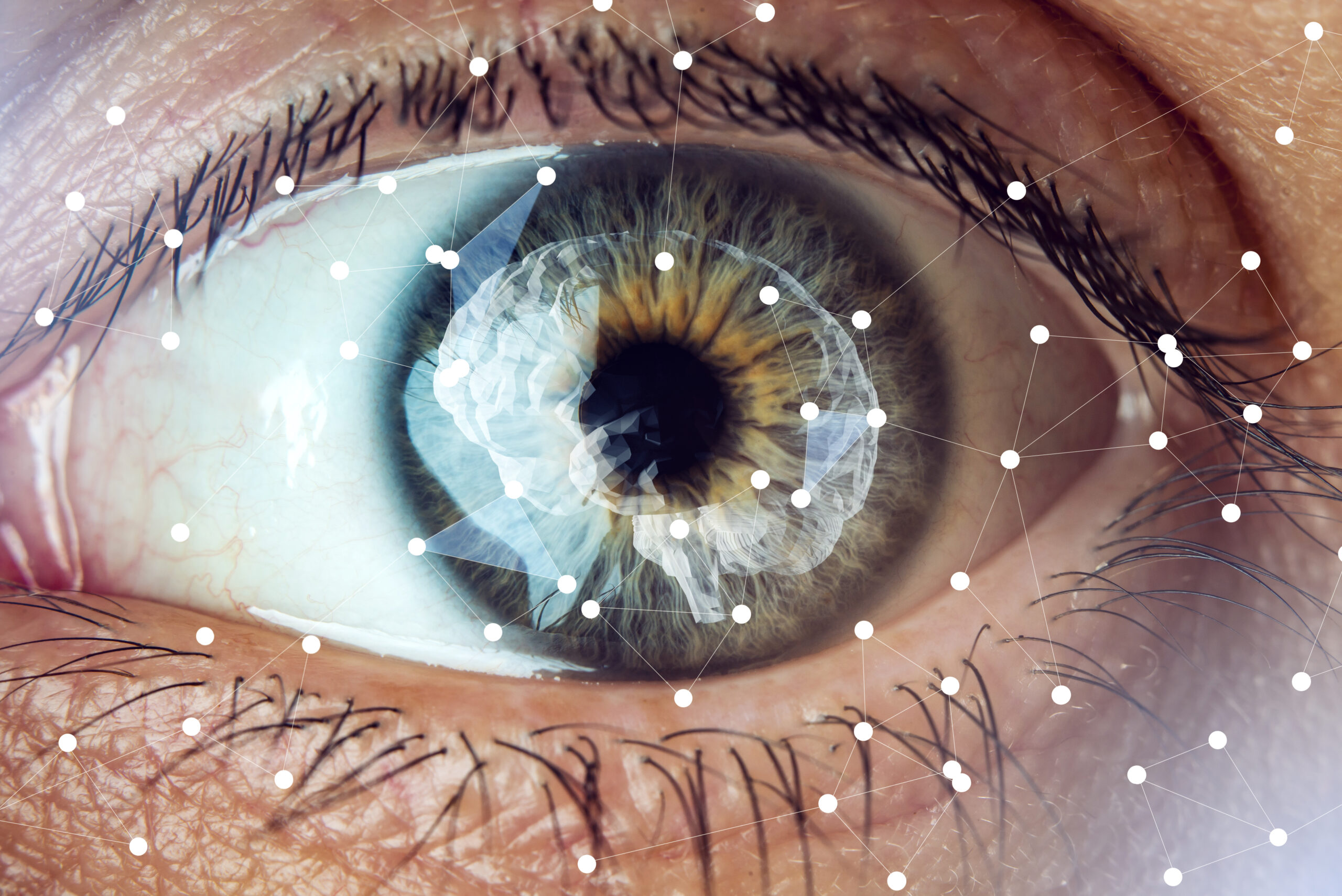
Image: Laboratory for Visual Neuroplasticity · Harvard
For a long time it was thought that, without sight, the visual cortex fell into disuse. Neuroscience has shown the opposite: in blind people, that brain region is reassigned to process other senses, especially touch and hearing. This is called cross-modal plasticity, and it's one of the most astonishing capacities of the human brain.
The Laboratory for Visual Neuroplasticity, led by Lotfi Merabet at Mass Eye and Ear (Harvard Medical School), studies precisely how the brain adapts to the loss of sight. Their work and the peer-reviewed literature show, for example, that reading braille activates the visual cortex, and that tactile experience sharpens the acuity of touch in measurable ways.
This reorganization also explains why many blind people develop superior hearing: the brain recruits "free" visual areas to listen better. Researchers further distinguish ocular blindness —where an intact visual cortex is repurposed— from brain-based visual impairment, which follows other pathways.
For Beyond Sight, this is the scientific basis of everything: if the brain is designed to reorganize, then perception can be trained. We don't promise miracles — we describe a real capacity that science keeps uncovering.
In brief
- In blindness, the visual cortex is repurposed for touch and hearing.
- Reading braille activates the visual cortex; tactile acuity improves with experience.
- The brain recruits free visual areas to sharpen hearing.
- If the brain reorganizes, perception can be trained.

Laboratory for Visual Neuroplasticity
Lotfi Merabet · Mass Eye and Ear / Harvard Medical School.
Visit the laboratory →An explanatory summary written by Beyond Sight from public sources and peer-reviewed literature. For the original content, visit the laboratory's website.
← Back to Perception today