Blindsight: seeing without knowing you see
Some people who lose their visual cortex say they see nothing — yet correctly locate an object. Science calls it blindsight, and it dismantles the idea that perceiving and seeing are the same.
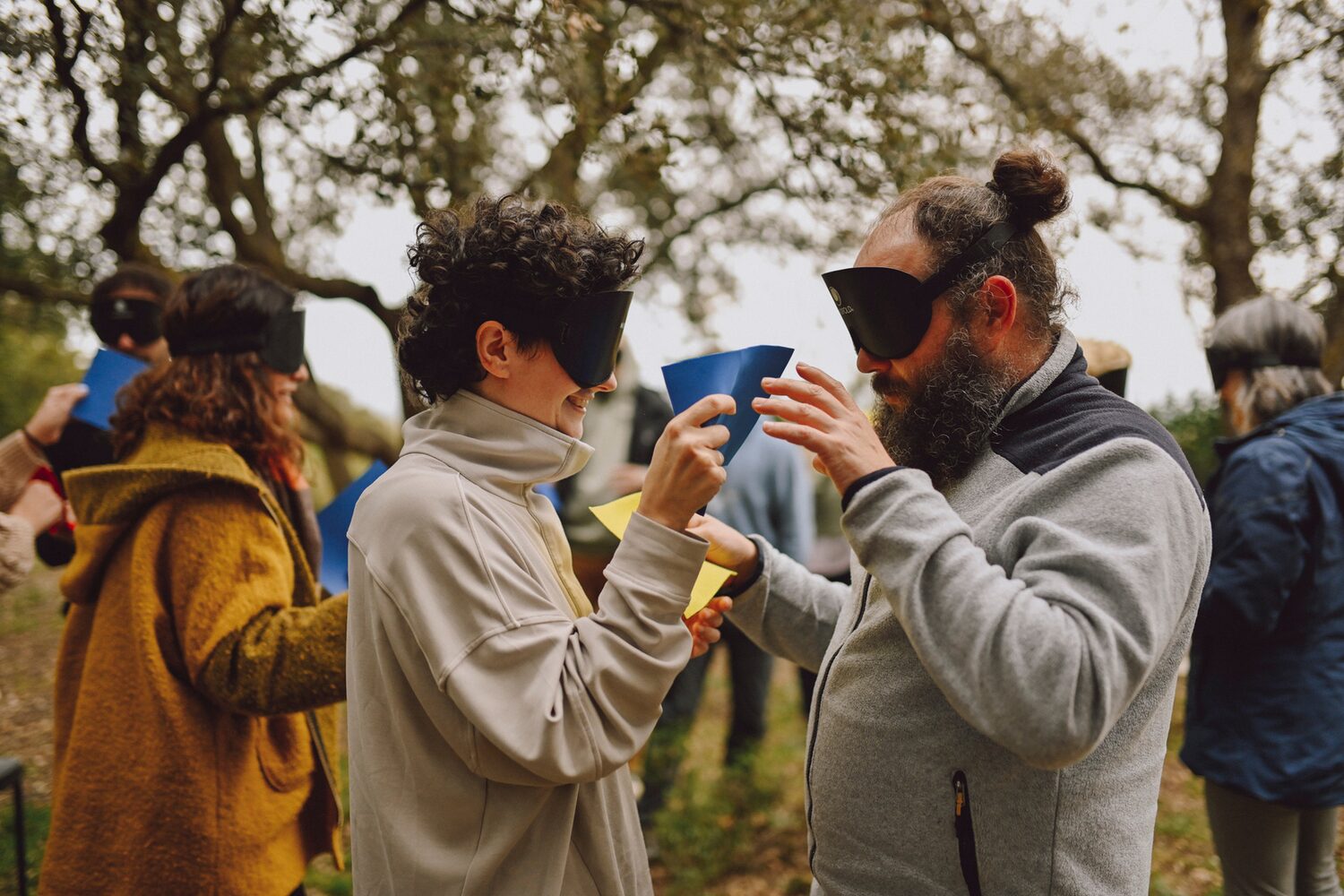
Image: a session in the network · Beyond Sight
In 1974, neuropsychologist Lawrence Weiskrantz described something that seemed impossible. A patient with a lesion in the primary visual cortex —the region that makes sight conscious— claimed to see nothing in part of his visual field. Yet when asked to guess where a light was or which way it moved, he was right far above chance. Weiskrantz called it blindsight.
How can one see without being aware of seeing? Because the eye doesn't send its information to a single place. Besides the great highway reaching the visual cortex, there are older, quieter routes —through the superior colliculus and the pulvinar— that keep working even when the visual cortex is damaged. Along them, the brain still picks up position, movement and even emotion in a face, without producing the conscious experience of "seeing".
Blindsight does not describe most kinds of blindness (which start in the eye, not the brain), and it isn't a technique you can train like echolocation. But it teaches something deep and proven: perception is wider than conscious sight. The brain processes the world along many paths at once, and only some of it becomes conscious. It's in that margin that perceptual work finds its ground.
For Beyond Sight this is a founding idea: if the brain has multiple routes to know space, it makes sense to cultivate the ones that remain available. With rigor, without overstating, and without confusing a clinical phenomenon with a promise.
In brief
- Blindsight: responding correctly to stimuli a person says they don't consciously see.
- Described by Lawrence Weiskrantz in 1974 in patients with visual-cortex lesions.
- Explained by visual routes that bypass the damaged cortex (superior colliculus, pulvinar).
- Shows that perceiving and consciously seeing are not the same.
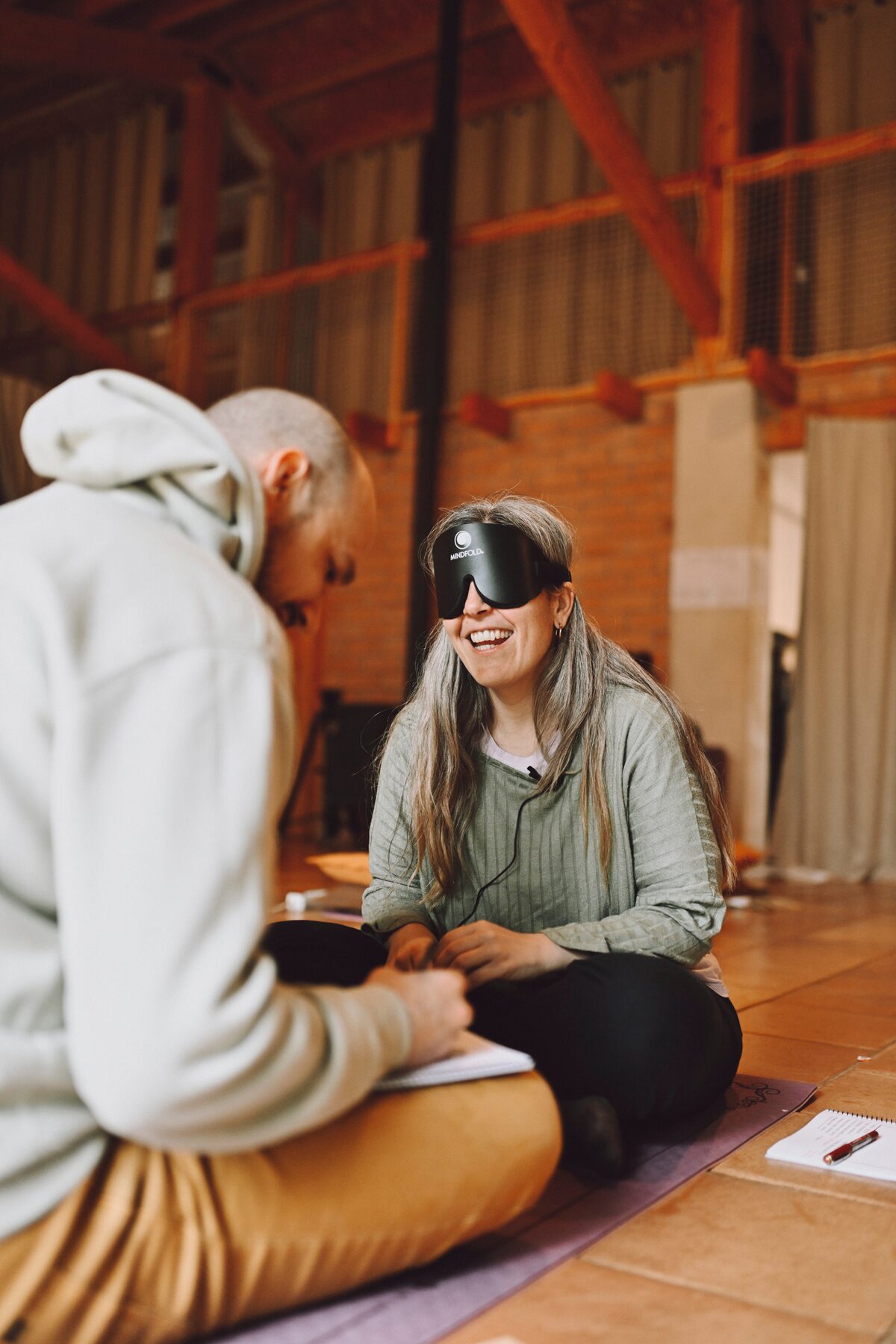
Nature Communications
Research on the brain circuits behind blindsight.
Read on nature.com →An explanatory summary written by Beyond Sight from public sources. Blindsight is a clinical phenomenon; it does not describe most kinds of blindness, nor is it a training technique.
← Back to Perception today